
Simulating sticky sequences
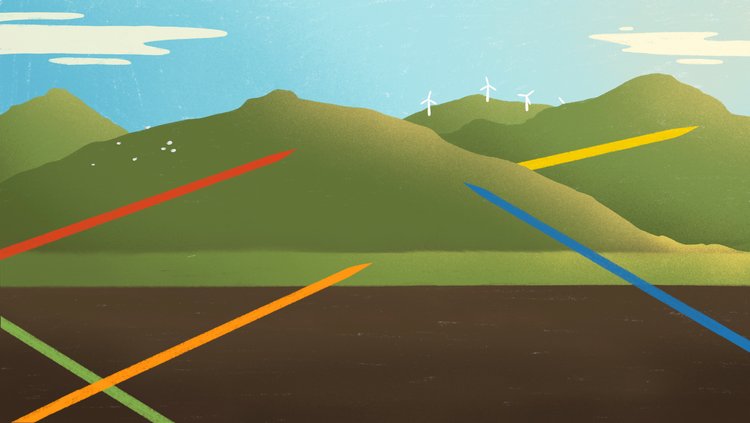
The pick up sticks are piled on the floor, a ten-pointer poking out invitingly. But at the first tentative touch, the pile shifts. End of turn. Next player up. The pile is still primed to go. There’s no free stick to pick up. A futile attempt. The pile shifts again. And there’s still no good next move. After a few hopelessly unsuccessful turns, everything settles down and the stick picking returns to being pretty easy.
Earthquake sequences are like a giant game of pick-up-sticks. The sticks – like the rocks and faults which make up the whenua – shift in earthquakes. Once one earthquake happens, faults nearby can be pushed towards their own tipping points. This series of seismic shifts is what’s called an earthquake sequence.
The most familiar example of an earthquake sequence is when a big earthquake causes aftershocks, like we saw in the Canterbury earthquake sequence in 2010 and 2011. When an earthquake happens it squashes and stretches the rocks around it. As those nearby rocks settle into their new positions, they can release energy in the form of earthquakes — these are what we call aftershocks.
The type of earthquake sequence we’re interested in in Ngā Ngaru Wakapuke relies on the same principle of one earthquake squashing and stretching the rocks around it, only now the scale is bigger. Rather than small breaks in the rocks near the first earthquake moving, bigger faults are pushed a little further towards their own earthquake. In addition to aftershocks, one big earthquake could trigger another.
My role in the Ngā Ngaru Wakapuke project looks at what earthquakes could form these earthquake sequences. Which of Aotearoa New Zealand’s many earthquake-generating faults are able to push each other towards moving? How big might the earthquakes in a sequence be? How long might it be between them? In pick-up-sticks terms, which sticks are going to move? How many others will they bring with them? And how many turns will it be before the game gets fun again?
I investigate these questions using computer programmes called earthquake simulators or physics-based earthquake simulators. These names always remind me of an exhibit in the Science Museum in London, where I grew up. You stand in a pretend supermarket and experience the shaking of the 1995 Kobe, Japan earthquake as tin cans fall off the shelves around you. You might have been in Te Papa’s Earthquake house, which does the same thing with the shaking from the 1987 Edgecumbe earthquake.
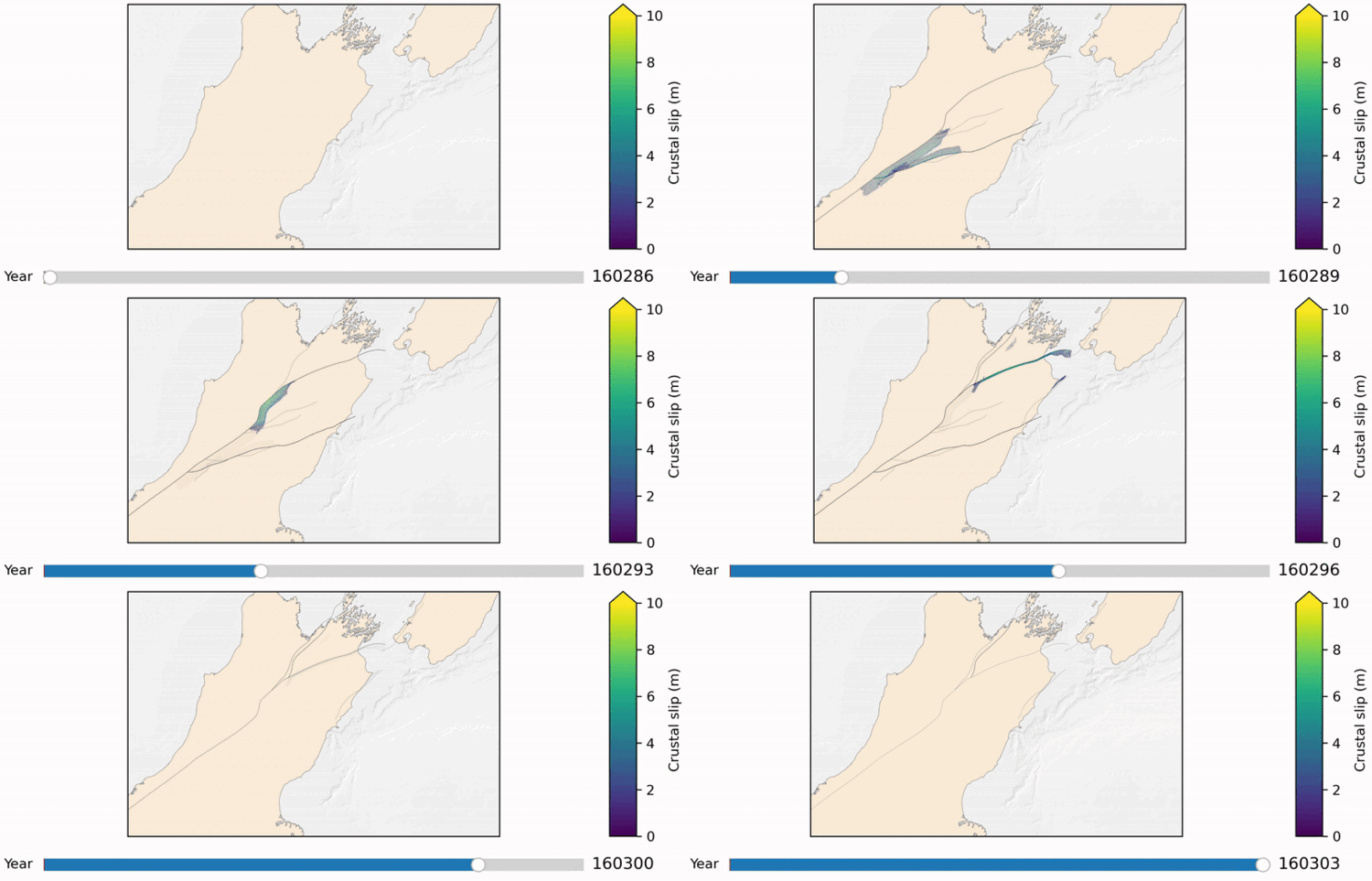
The earthquake simulators I use, though, are a bit less interactive. Rather than shaking a room, they tell us how much rocks could move past each other in earthquakes. That might sound a lot less glamorous (and, really, it is) but it is very useful for us to have a model based on what we actually know about where the faults which move in earthquakes are, how fast they’re moving and how they behave when they’re pushed. The simulators output ‘synthetic earthquake sequences’ — lists of movements on our idealised computer-faults, how big they are and which computer-faults have moved. We can use these synthetic earthquake sequences as a starting point for thinking about how buildings might be damaged, the potential effects on people, businesses and communities, and — most importantly — how to prepare for earthquake sequences.
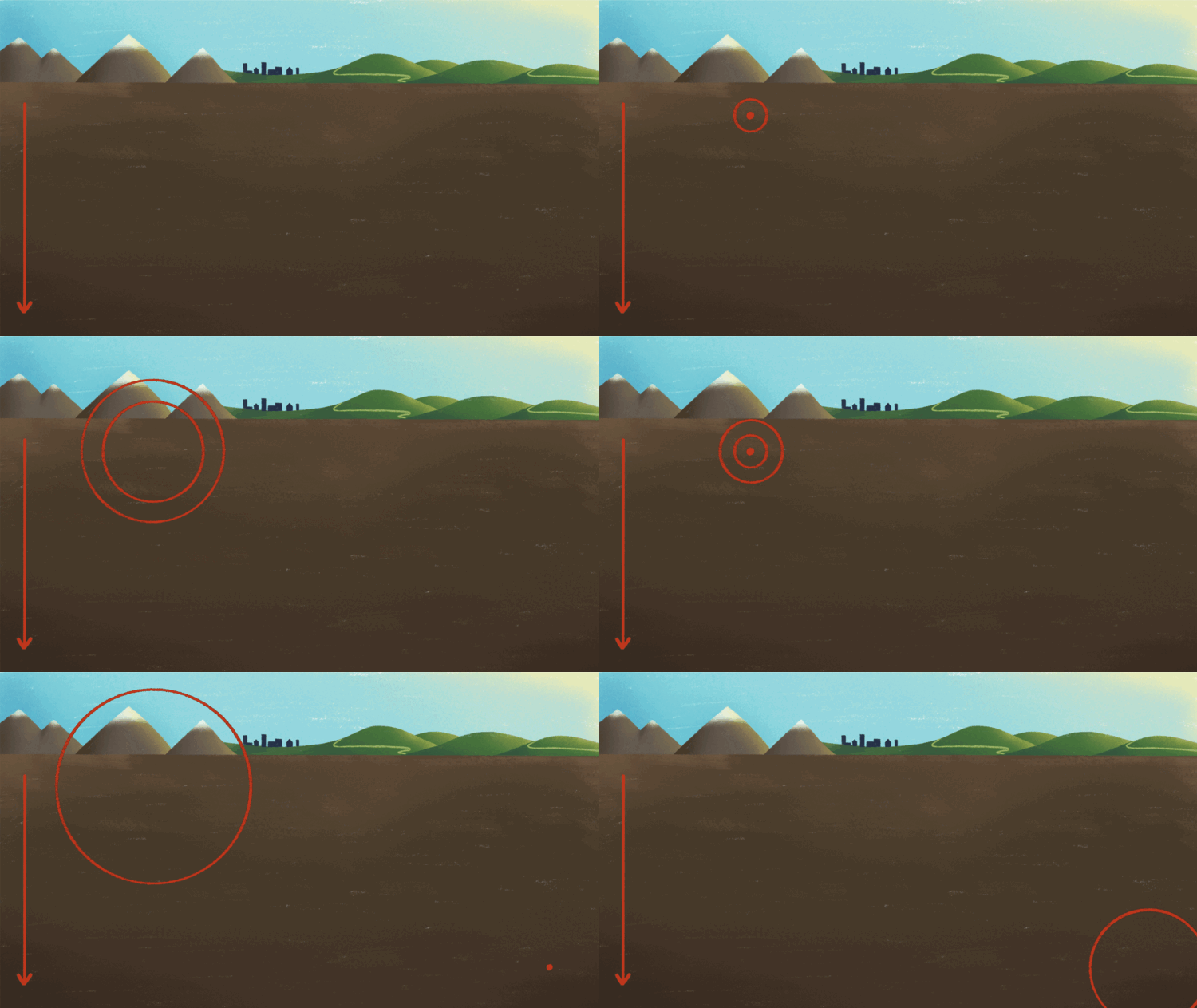
There are two major reasons why these earthquake simulators are useful: distance and time. The February 2011 Christchurch earthquake was considered really shallow, only moving rocks up to about 10 kilometres below the city. But 10 kilometres is more than the height of Mt Everest – these ‘shallow’ earthquakes are a long way into the Earth. Although geologists know a lot about rocks at these depths, we will never know all the details of the tiny crystals and pieces of rock whose breaking starts an earthquake. What we can do is use the physics of how this breaking happens in our earthquake simulators, to look at the range of possible earthquakes and imagine how to prepare for them.
The second challenge is time. Between earthquakes, rocks move really slowly. The tectonic plates which cause Aotearoa New Zealand’s earthquakes are moving about as fast as your fingernails grow. This slow movement means that the time between big earthquakes on one of New Zealand’s fast-moving faults might be a few hundred years (about 300 years for the Alpine Fault). To see all the ways these faults could shift or cause each other to slip in earthquake sequences would take thousands of years. But we’ve only had the instruments to record these earthquakes in detail for the last 60 years. Historical written records only take us back another hundred years, with pūrākau and mātauranga Māori having the potential to add another 800 years — although these sources have not been used in our current lists of earthquakes. Further back in time, we get into paleoseismology — literally digging big pits and working out how long it’s been since an earthquake moved the soil around. Although paleoseismology can provide a lot of information it’s often hard to be really specific about timing or how big earthquakes were, so it’s helpful to have another approach which we can compare to what the scientists out in the field are observing.
The earthquake simulator we’re using in this project is specifically designed to be able to deal with lots of faults, over a long time — both important features for understanding earthquakes in Aotearoa New Zealand. To achieve both of these, we simplify some of the physics involved in an earthquake (the part where the earthquake makes seismic waves for example). My team and I are working on testing what the effects of these simplifications are and when they matter.
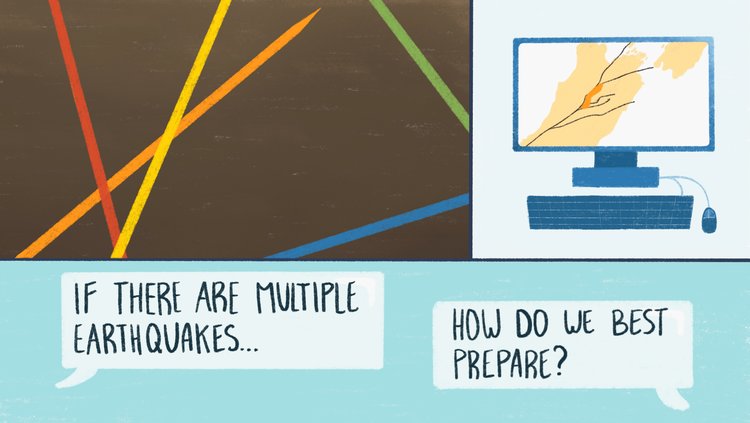
For Ngā Ngaru Wakapuke, the synthetic earthquake sequences we’re making are the starting point for a conversation. Our group is working to make sure we understand all the details of which synthetic earthquakes happen, when and where and the main sources of uncertainty. We are confident that the example synthetic earthquake sequences we are finding are a good starting point for thinking about what could happen if multiple big earthquakes hit central Aotearoa New Zealand over several years. We won’t know for sure how the pick-up-sticks will move, but these earthquake simulators can help inform our game plan.